
Container gardening is a wonderful way to enjoy plants without needing a large yard. A few pots on a porch, patio, balcony, or sunny windowsill can provide colorful flowers, fresh herbs, and a relaxing daily routine.
For women 65 and older, container gardening can be adapted to fit different spaces, schedules, and energy levels. The key is to choose lightweight containers, comfortable tools, and plants that do not require constant care. These simple projects are a good place to begin.
Start With a Comfortable Gardening Setup
Before choosing plants, create a gardening area that is easy to reach and maintain. A good setup can make gardening more enjoyable and reduce unnecessary lifting or bending.
Consider these ideas:
– Place containers on sturdy plant stands, tables, or raised shelves.
– Use a lightweight watering can with a comfortable handle.
– Keep gloves, pruning scissors, and a small hand trowel in a nearby basket.
– Choose a location close to a water source.
– Add a chair so you can garden while seated.
– Use a garden kneeler or padded mat for projects near the ground.
Look for containers made from resin, plastic, or lightweight fiber. These are often easier to move than concrete or heavy ceramic pots. If you love the look of a heavier planter, use a lightweight pot inside a decorative container.
Project One: A Colorful Flower Pot
A single container filled with flowers can brighten an entryway or sitting area. Choose plants that enjoy the amount of sunlight your space receives.
For sunny locations
Try:
– Marigolds
– Geraniums
– Petunias
– Zinnias
– Portulaca
For partly shaded locations
Try:
– Impatiens
– Begonias
– Coleus
– Torenias
– Caladiums
Choose a pot with drainage holes. Fill it with quality potting mix, leaving a little space below the rim. Arrange taller plants in the center or back, medium-sized plants around them, and trailing plants near the edge.
This arrangement creates a full, balanced look. Water when the top inch of soil feels dry, and remove faded flowers when needed to encourage new blooms.
Project Two: A Small Herb Garden
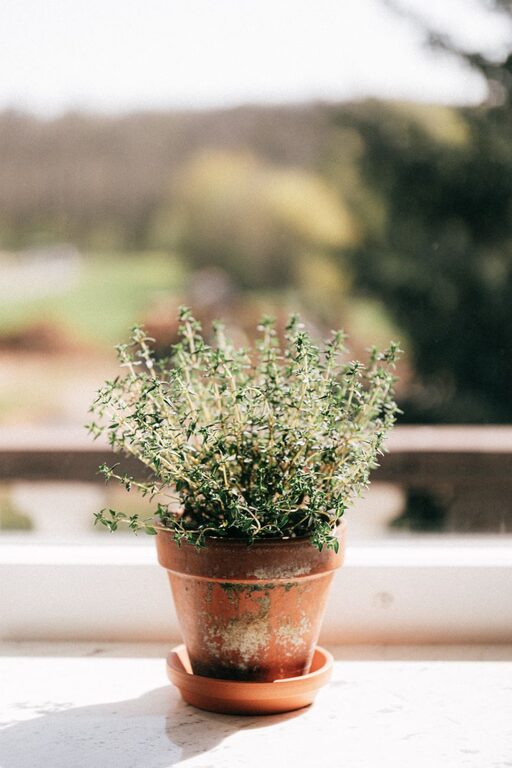
Fresh herbs are useful, fragrant, and easy to grow in containers. You can plant several herbs in one wide pot or use separate small containers.
Good choices include:
– Basil
– Chives
– Parsley
– Thyme
– Mint
– Oregano
– Rosemary
Mint spreads quickly, so it is usually best grown in its own container. Herbs generally prefer bright light and well-drained soil. Place the pot near a kitchen door or sunny window so it is convenient to harvest a few leaves while cooking.
To harvest, snip only what you need. Regular harvesting encourages many herbs to produce fresh growth. If a plant becomes too large, trim it gently and use the cuttings in meals, tea, or simple kitchen decorations.
Project Three: A Salad Bowl Container
A large bowl or tub can become a small edible garden. Leaf lettuce, spinach, and other greens grow well in containers and can be harvested a little at a time.
Choose a container that is at least 8 to 10 inches deep and has drainage holes. Fill it with potting mix, sprinkle the seeds across the surface, and cover them lightly according to the seed packet instructions.
Keep the soil gently moist while the seeds sprout. When the leaves are several inches tall, harvest the outer leaves first. This allows the center of the plant to continue growing.
A salad bowl container can be placed on a raised table or stand. This makes it easier to check the plants and harvest without kneeling.
Project Four: A Fragrant Evening Pot
Create a container that adds fragrance to a porch or sitting area. Choose plants with pleasant scents and place the pot where you spend time in the late afternoon or evening.
Possible choices include:
– Lavender
– Sweet alyssum
– Lemon thyme
– Scented geraniums
– Nicotiana
– Gardenia, where the climate is suitable
Combine plants with similar watering and sunlight needs. A small lavender plant paired with trailing sweet alyssum can make an attractive and fragrant arrangement.
Avoid overcrowding the container. Plants need room for air circulation and root growth. A simple arrangement with two or three plants is often easier to care for than a crowded pot.
Project Five: A Pollinator-Friendly Pot
A container can provide useful food and shelter for bees, butterflies, and other beneficial insects. Choose flowers with open blooms that make it easy for pollinators to reach the centers.
Consider:
– Coneflowers
– Salvia
– Alyssum
– Lavender
– Verbena
– Dwarf sunflowers
– Asters
Use several plants that bloom at different times for a longer display. Avoid using pesticides in or near the container. A shallow dish of clean water with a few pebbles can offer a safe place for small visitors to rest and drink.
Place the pot in a sunny, sheltered location. Watching pollinators visit the flowers can become one of the most enjoyable parts of the garden.
Project Six: A Water-Wise Container
If you prefer less frequent watering, choose plants that tolerate dry conditions. These plants are especially helpful in warm, sunny areas.
Good options include:
– Sedum
– Sempervivum
– Portulaca
– Ornamental grasses
– Lavender
– Small succulents
Use a container with excellent drainage and a potting mix made for succulents or cacti. Water thoroughly, then allow the soil to dry before watering again.
Although these plants are often easy to maintain, they still need attention during very hot or dry weather. Check the soil regularly rather than watering on a fixed schedule.
Simple Ways to Make Care Easier
Container gardening becomes more manageable when you reduce the number of daily tasks.
Try these helpful steps:
– Use self-watering containers for plants that need consistent moisture.
– Add a layer of mulch to slow moisture loss.
– Group containers with similar light and water needs.
– Choose slow-growing plants to reduce trimming.
– Use larger pots, which usually dry out more slowly than small ones.
– Label herbs and flowers with simple plant markers.
– Set a regular time each week to check soil, leaves, and drainage.
If lifting is difficult, fill pots in their final location. A small scoop or cup can be easier to handle than a large bag of soil. You can also ask a family member, friend, or garden center employee to help move heavy supplies.
Enjoy the Process
Container gardening does not need to be perfect to be rewarding. A single pot of flowers or herbs can add beauty and interest to your day. Start with one project, notice how much care it requires, and add more containers only if you want to.
Choose plants you enjoy looking at, smelling, or using in the kitchen. With comfortable tools and a few thoughtful choices, even a small outdoor area can become a welcoming personal garden.
Related Posts
A Beginner’s Guide to Growing Herbs on a Sunny Windowsill
Growing herbs on a sunny windowsill is an easy way…